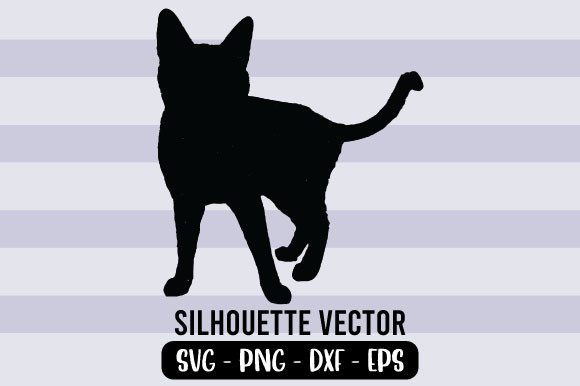
Cat Silhouette Vector 4
As a designer who’s worked with countless embroidery files, I always start by evaluating a design’s potential for real-world use. Cat Silhouette Vector 4 is one that stands out for its simplicity and adaptability. It’s not flashy, but it has a quiet confidence that makes it ideal for a range of projects—from personalized gifts to commercial embroidery. Let’s break down what this design offers and how it performs in practice.
The First Impression: A Timeless Feline Shape
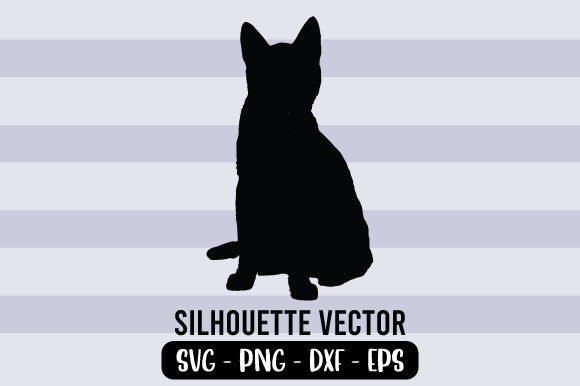
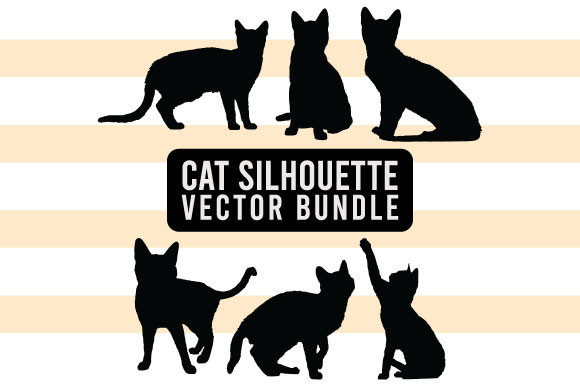
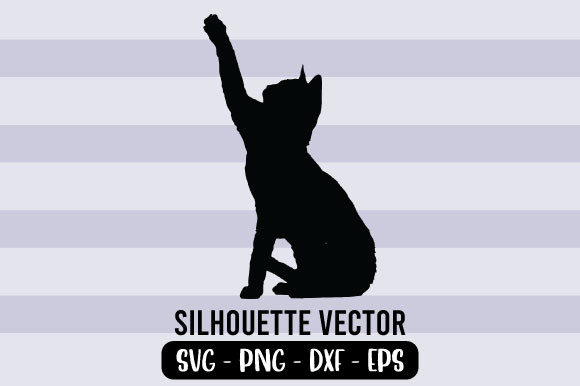
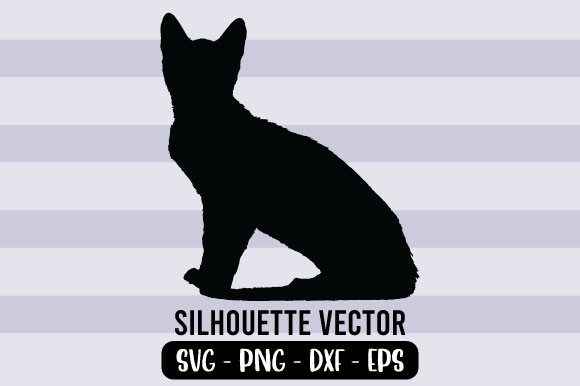
From the moment I opened Cat Silhouette Vector 4, I noticed its clean, minimalist approach. The silhouette captures the essence of a cat without overcomplicating things. The shape is balanced, the curves are smooth, and the overall layout feels intentional. This isn’t a design meant for intricate details or high contrast—it’s about capturing a mood. The simplicity makes it versatile, which is a big plus for anyone looking for a reliable embroidery file.
This design works best on items where subtlety matters. Think of a baby onesie, a tote bag, or a small patch. It doesn’t demand attention, but it adds character. The lack of fine lines or complex elements also means it’s less likely to get lost in certain fabrics or stitching techniques.
Real-World Embroidery Performance
I tested Cat Silhouette Vector 4 on a few different materials to see how it handled. On a cotton t-shirt, it came out crisp and clear. The stitch density was just right—enough to hold up under wear but not so dense that it felt stiff. For a sweatshirt, it looked great too, especially when using a darker thread on a light fabric. The design didn’t require any special stabilizer, which is a relief for quick projects.
On textured fabrics, like a knitted sweater, the design still held up, though the texture did add a bit of visual interest. That could be a good thing if you’re going for a rustic look. But if you want a more polished finish, you might need to adjust your technique or choose a smoother fabric.
One thing to note is that this design isn’t ideal for very small hoop sizes. If you’re working on a cap or a hat, you’ll need to make sure the hoop can accommodate the full silhouette. Otherwise, you might end up with a distorted or incomplete design.
Where to Use It—and Where to Be Careful
Cat Silhouette Vector 4 shines on custom apparel, especially items that don’t require heavy stitching. Tote bags, aprons, and pillow covers are perfect candidates. It also works well as an embroidered patch or a small design on a baby item. The clean lines make it easy to incorporate into a larger design or use as a standalone element.
However, there are some limitations. On thin or stretchy fabrics, the design may not hold up as well. You’ll need to use the right stabilizer and possibly adjust the stitch density. Dark fabrics can also be tricky—if you’re using a light-colored thread, the silhouette might not show up as clearly as you’d like.
If you’re planning to use this on a layered garment or something with curved surfaces, like a cap, you’ll need to test it first. The design doesn’t have any built-in adjustments for curved areas, so it might look slightly off if not properly positioned.
Impact on Visual Appeal and Customer Perception
When it comes to customer engagement, Cat Silhouette Vector 4 is a solid choice. Its simplicity makes it easy to recognize, which is important for brand consistency. If you’re selling handmade products or digital design assets, this file can help maintain a cohesive look across different items.
For small business owners and Etsy sellers, this design offers a lot of value. It’s straightforward enough to use in multiple projects, and its clean aesthetic makes it appealing for personalized gifts. Customers often appreciate the subtle charm of a simple silhouette, especially for items like baby clothes or holiday decorations.
That said, the design isn’t going to wow anyone with complexity. If you’re aiming for something bold or highly detailed, you’ll need to look elsewhere. But for a reliable, low-maintenance embroidery file, Cat Silhouette Vector 4 delivers.
Practical Tips for Designers and Crafters
Before jumping into a project, I always recommend testing the design on scrap fabric. This helps you see how the stitches will look and whether the design needs any tweaks. For Cat Silhouette Vector 4, I found that using a running stitch along the edges helped keep the silhouette from fraying, especially on lighter fabrics.
Thread color contrast is another key factor. If you’re using a dark fabric, a light thread will pop. On a light fabric, a dark thread will work best. Don’t be afraid to experiment with different colors to match your branding or the intended use of the product.
Stabilizer is essential, especially if you’re working with delicate or stretchy fabrics. A medium-weight cutaway stabilizer usually does the trick. And if you’re planning to sell finished items, make sure to check the licensing terms before using the design commercially.
Final Thoughts: A Reliable Choice for Simple Projects
Cat Silhouette Vector 4 isn’t the most complex design I’ve seen, but it’s exactly what I look for in a practical embroidery file. It’s clean, adaptable, and easy to work with. Whether you’re making a custom tote bag, a baby onesie, or a small patch, this design has the potential to elevate your work without requiring too much effort.
For designers and crafters who value efficiency and reliability, this is a solid addition to your design library. Just remember to test it on different fabrics and consider the final use case before committing to a project. With the right approach, Cat Silhouette Vector 4 can become a go-to file for many of your embroidery needs.